Anyone involved in mechanical maintenance has likely encountered that frustrating predicament where "a damaged shaft end makes transport a nightmare." Whether it's a motor shaft or a pump shaft, if the end becomes scored or the threads get stripped-even if only a small section is damaged-you typically have to dismantle the entire piece of equipment and hire a vehicle to haul it to a machine shop for machining. Aside from the two or three days of back-and-forth hassle, the combined costs of shipping and dismantling often end up being more expensive than the shaft repair itself. That is, until you discover the portable shaft-end lathe; only then do you realize that shaft-end repair doesn't have to be such a headache-it can be handled right on-site.
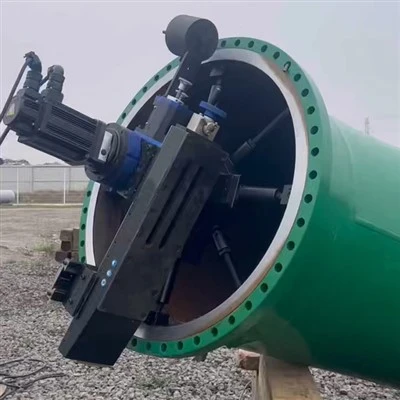
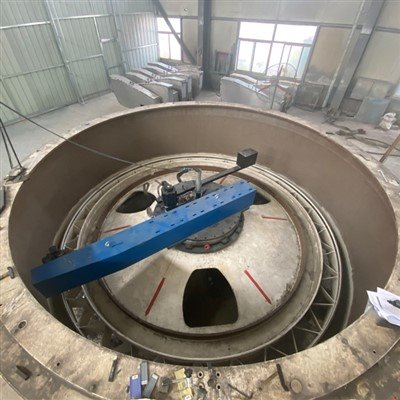
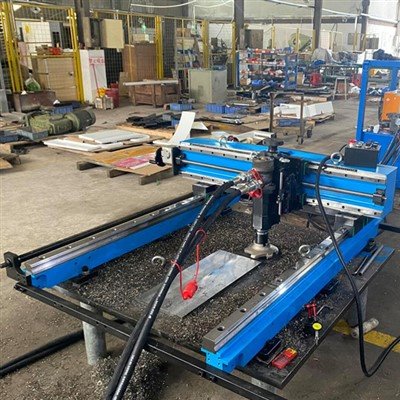
Some people may not have heard of this machine before. In principle, it operates much like the large industrial lathes found in factories-both rely on rotational cutting to repair shaft ends-but its key advantage lies in its "portability." The machine body is designed to be compact; the heavier models weigh only 20 to 30 pounds, while the lighter ones weigh just over 10 pounds. Two people can easily carry it into a workshop or out to a job site. Whether you are working on a stationary motor inside a workshop or a pump shaft out in the field, as long as you can find a stable mounting point to secure the machine to the shaft end, you can get to work immediately-no need to dismantle the equipment or move it elsewhere, saving you a great deal of unnecessary trouble.
Operating it isn't as complicated as you might imagine, either. Unlike large industrial lathes, you don't need to memorize a host of technical parameters; a novice can get the hang of it after just a couple of practice runs guided by the instruction manual. First, align the machine's chuck with the shaft end and secure it firmly using the tailstock center to prevent any wobbling during cutting. Next, adjust the position of the tool post to match the diameter of the shaft and select the appropriate cutting tool. Then, slowly turn the handle to control the tool post, allowing it to shave away material little by little; whether you are repairing a worn journal or recutting threads, the process is precise and accurate.
A while back, I helped a factory repair a motor shaft where the threads on the end had been completely worn down. In the past, we would have had to dismantle the motor and haul it away for repairs. This time, however, I brought along a portable shaft-end lathe. Within just half an hour, I had the machine securely mounted, and within two hours, I had successfully recut the threads. We were able to install the new components immediately and put the motor back into service-saving us more than two days of downtime compared to our previous methods. Furthermore, the machine's precision is highly reliable; the shaft ends it produces exhibit minimal roundness error, ensuring that there is no looseness or binding when installing components-giving you far greater peace of mind than you would get from relying on a small, independent machine shop.
There are two little tricks you can use while operating the machine to ensure the repair process goes even more smoothly. First, ensure the machine is mounted securely; if the shaft wobbles even slightly, use an auxiliary support stand to brace it. Otherwise, the cutting tool may "wander" during operation, compromising precision. Second, do not rush the cutting process; feed the tool slowly-especially when turning harder steels. A slower approach not only protects the cutting tool but also results in a smoother shaft end surface, thereby reducing the effort required for subsequent polishing.
Many repair technicians worry that this machine lacks "sufficient power," but such concerns are entirely unfounded. Although compact in size, it delivers ample power, capable of smoothly cutting through everything from standard carbon steel shafts to slightly harder alloy steel shafts. Furthermore, the tool post is adjustable to various angles; beyond simply straightening shafts, it can also handle shaft ends with a slight taper, offering far greater versatility than one might initially imagine.
Routine maintenance is also straightforward. After each use, simply wipe away any metal shavings from the chuck and tool post, and apply a little lubricating oil to the sliding components to prevent rust. When a cutting tool becomes dull, simply replace it with a new one-no resharpening required-making the process both convenient and hassle-free. Unlike large industrial lathes-which require periodic guide rail maintenance and oil changes-this unit significantly reduces ongoing maintenance costs.
For repair technicians, the true value of this machine lies in its ability to "save both time and money." In the past, repairing a single shaft involved a laborious and costly process: disassembly, transport, machining, and reassembly. Now, with on-site repair capabilities, the entire job can be completed within a single day. This is particularly beneficial when facing tight deadlines, as it helps factories minimize losses associated with equipment downtime. Whether you work in a machinery plant, a brickworks, or the water conservancy sector-if you frequently deal with shaft-driven equipment-keeping one of these units on hand is a sound investment that is bound to pay off.
If you are a mechanical repair professional who frequently struggles with the logistical headaches of transporting equipment for shaft-end repairs, consider giving this portable shaft-end lathe a try. You no longer have to wrestle with the arduous tasks of disassembly and transport; instead, you can perform precise shaft-end repairs directly on-site-saving effort, boosting efficiency, and enabling you to take on even more jobs.