Preparation:
1. Equipment Inspection: Check that all components of the portable flange facing machine are intact, verify that the cutting tools are sharp, and ensure the electrical system is functioning normally.
2. Tool Installation: Select the appropriate cutting tool based on the specific machining requirements and install it onto the portable flange facing machine.
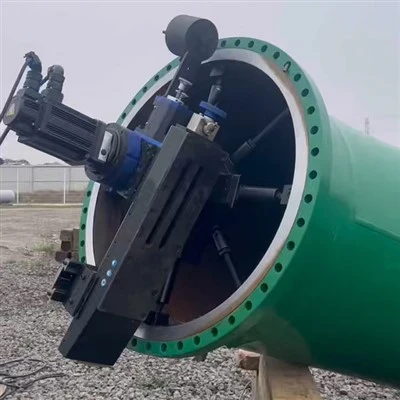
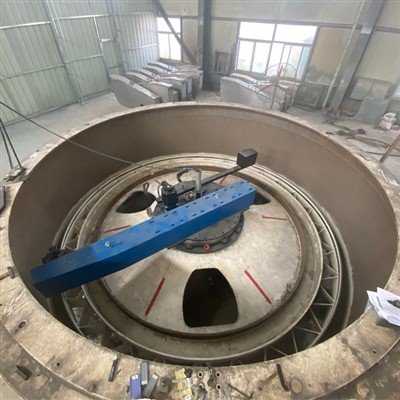
3. Workpiece Securing: Secure the flange requiring machining onto the worktable of the portable flange facing machine, ensuring the workpiece is stable and firmly fixed.
4. Parameter Adjustment: Adjust the machining parameters of the portable flange facing machine-such as feed rate, cutting depth, etc.-to align with the specific machining requirements.
Tool Setting (Zeroing):
1. Start Equipment: Power on the portable flange facing machine to bring it into operational status.
2. Manual Tool Positioning: Use the manual control buttons or handles to slowly move the cutting tool to a position in close proximity to the flange face.
3. Tool Setting: By visual observation or using measurement tools, adjust the position and depth of the cutting tool to ensure it meets the specific machining requirements for the flange face.
4. Tool Locking: Once the tool setting is complete, engage the locking mechanism to secure the cutting tool in its current position, ensuring it remains stationary throughout the machining process.
Flange Facing:
1. Initiate Automatic Machining: After completing the tool setting and locking the tool in place, activate the automatic machining function of the portable flange facing machine.
2. Monitor Machining Process: During the machining operation, closely monitor the operational status of the portable flange facing machine and observe for any anomalies-such as tool wear, workpiece loosening, etc.
3. Adjust Machining Parameters: If the machining quality is found to be unsatisfactory during the process, adjust the machining parameters-such as feed rate, cutting depth, etc.-as necessary based on the actual conditions.
4. Complete Machining: Once the portable flange facing machine has completed the machining task, deactivate the automatic machining function and retract the cutting tool to a safe position.
Cleaning and Maintenance:
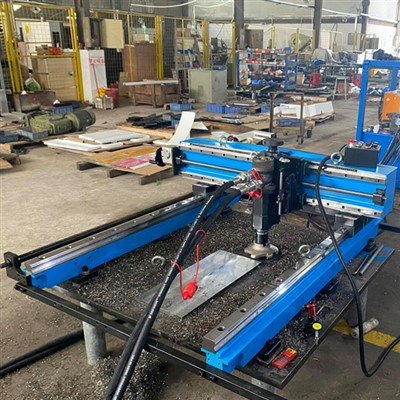
1. Equipment Cleaning: Upon completion of the machining task, promptly remove all chips, debris, and residue from the portable flange facing machine to maintain the equipment's cleanliness.
2. Equipment Inspection: Inspect all components of the portable flange facing machine for any signs of damage or wear; replace or repair them promptly if necessary.
3. Equipment Lubrication: Lubricate all moving parts of the portable flange facing machine to ensure its proper and smooth operation.
4. Equipment Storage: Store the portable flange facing machine in a dry, well-ventilated, and secure location to prevent damage or loss.
When operating the portable flange facing machine, strictly adhere to the prescribed operating procedures to ensure both safety and machining quality.