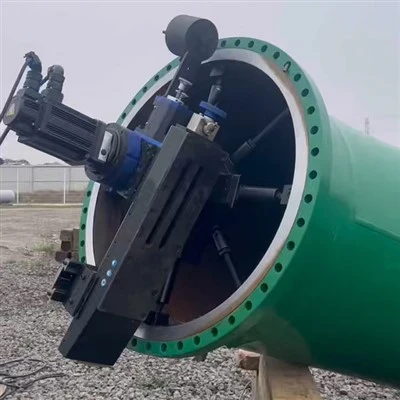
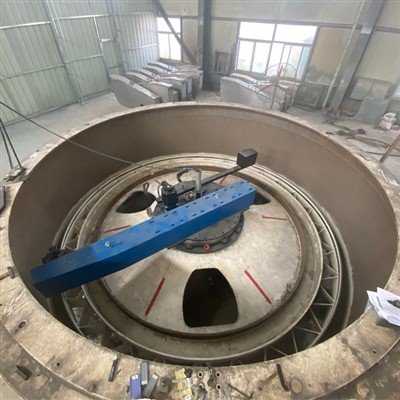
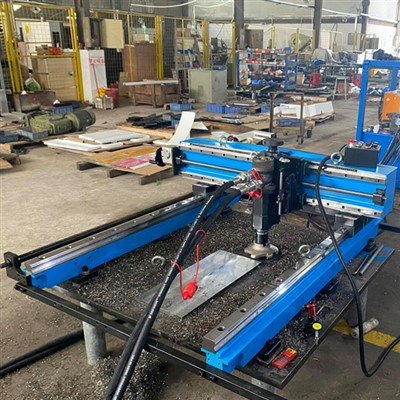
In the fields of mechanical machining and maintenance, integrated boring and welding machines stand out as highly practical pieces of equipment. By combining the two major functions of boring and welding into a single unit, they significantly reduce equipment changeover times, proving invaluable in applications ranging from the repair of construction machinery to the maintenance of mining equipment. However, many enterprises often go astray-both during the equipment selection phase and in daily operations-because they fail to grasp the critical points. Today, let's discuss the key considerations involved in the entire lifecycle of an integrated boring and welding machine, from initial selection through to routine maintenance.
Let's begin with the selection process, which is the foundational step toward effectively utilizing the equipment. When choosing an integrated boring and welding machine, the first priority is to align it with your specific machining requirements-such as the diameter and depth of the bores, or the thickness and material type of the plates to be welded. These parameters directly determine whether the equipment can meet your production demands. If you frequently process workpieces with large bore diameters, you should select a model featuring a boring bar with high rigidity to prevent vibration during machining, which could otherwise compromise precision. Conversely, if you intend to weld materials such as stainless steel or alloy steel, you must pay close attention to the machine's welding power source type to ensure it is compatible with the specific welding processes required for those materials. Furthermore, the operational convenience of the equipment should not be overlooked; factors such as an intuitive, user-friendly control system-and the inclusion of practical features like automatic centering and parameter memory-can significantly boost daily operational efficiency. Finally, consider the equipment's adaptability-specifically, its ability to accommodate various fixtures and tooling setups-to facilitate the machining of irregularly shaped workpieces, as machining requirements in a factory environment are rarely static.
Next, let's discuss the precautions for daily operation. Personnel operating integrated boring and welding machines should undergo professional training before taking up their duties, as both boring and welding are processes that demand a high degree of precision. During boring operations, select the appropriate cutting tools and parameters based on the workpiece material; avoid setting the feed rate too high, as this can lead to premature tool wear and compromise the surface finish of the machined part. During welding operations, ensure that the current, voltage, and welding speed are properly balanced; for instance, when welding thin plates, keep the current at a moderate level to prevent burning through the workpiece. Additionally, attention must be paid to the operating environment: keep the workspace clean and dry to prevent dust or moisture from entering the equipment's electrical systems, thereby avoiding potential malfunctions. Furthermore, appropriate safety precautions must be observed during the machining process-such as wearing welding goggles and heat-resistant gloves. This not only safeguards the operator's safety but also prevents debris from falling onto the equipment's guide rails, which could compromise operational precision.
Equipment maintenance is directly linked to the machine's service life. After daily use, it is essential to promptly clean iron shavings, welding slag, and oil residue from the machine's surfaces-particularly on critical components such as the boring bar and guide rails. Once cleaned, a suitable amount of lubricating oil should be applied to prevent rust and wear. Maintenance of the electrical system must not be overlooked either; wiring should be inspected regularly for signs of aging or looseness, and terminal connections verified for tightness to prevent short circuits. Additionally, consumable parts-such as welding electrodes and boring tools-should be inspected periodically for wear and replaced in a timely manner. Do not wait until these parts are completely worn out before replacing them, as doing so can easily compromise machining quality. Finally, a comprehensive equipment maintenance log should be established to record the date, scope, and replacement parts involved in each maintenance session; this facilitates the tracking of the machine's operational status over time and enables the proactive identification of potential faults.
From selection to operation and maintenance, every stage involving a boring-welding integrated machine demands meticulous attention. Only by attending to these details with diligence can the equipment realize its full value and serve as a reliable cornerstone for production and machining operations.