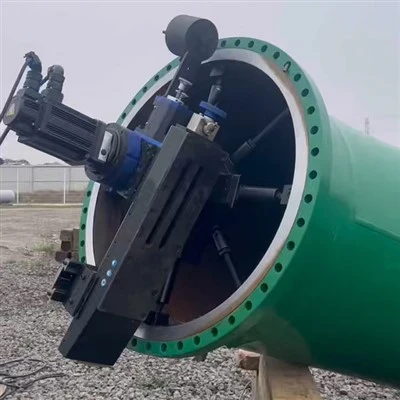
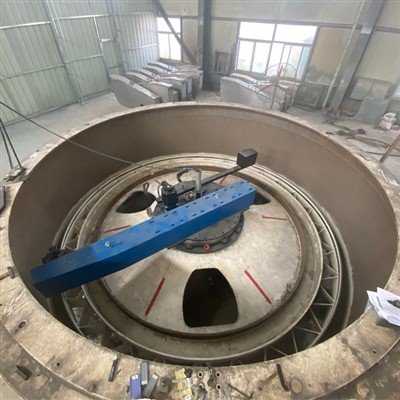
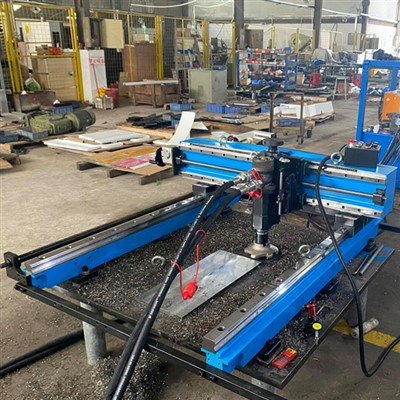
Integrated boring and welding machines combine both boring and welding functions. Operating continuously in complex environments-such as construction sites and workshops-these machines are constantly exposed to metal chips, dust, and oil stains. Coupled with the demands of continuous, high-intensity operation, they are highly susceptible to issues such as declining precision, component wear, and frequent malfunctions. Many users focus solely on operating the equipment while neglecting routine maintenance; this oversight often leads to a rapid succession of breakdowns shortly after the machine is put into service, thereby disrupting construction schedules, increasing repair costs, and significantly shortening the equipment's overall service life. So, what specific routine maintenance and preventive measures can be implemented to effectively extend the service life of an integrated boring and welding machine?
The key to extending the service life of an integrated boring and welding machine lies in establishing a standardized daily, weekly, and monthly maintenance regimen. This involves systematically performing cleaning, lubrication, fastening, calibration, and protective tasks to minimize component wear and prevent malfunctions at the source, thereby ensuring the equipment remains in a consistently stable operating condition.
Upon the completion of daily operations, performing basic cleaning is an essential first step in the maintenance process. During operation, metal chips generated by boring and spatter produced by welding can accumulate on critical components such as guide rails, lead screws, spindles, and welding torches. If not removed promptly, this accumulated debris can eventually wear down transmission components and clog welding lines, thereby compromising both the equipment's precision and the quality of the welds. At the end of each workday, begin by powering off the machine. Use a specialized brush to remove metal chips and dust from the guide rails, lead screws, and spindle. Clean any welding spatter from inside the welding torch nozzle to prevent blockages that could disrupt wire feeding and result in weld defects. Finally, wipe down the machine body to remove oil stains and debris, maintaining the equipment's overall cleanliness. Simultaneously, inspect the power cables and air hoses for any signs of damage or loose connections; address any issues immediately to eliminate potential safety hazards.
Conduct a comprehensive lubrication maintenance session once a week to minimize wear on mechanical components. The moving parts of an integrated boring and welding machine-including guide rails, lead screws, bearings, and transmission gears-are subject to frictional wear during prolonged operation. Regularly applying lubricants helps reduce frictional resistance and mitigates component wear. In accordance with the equipment's instruction manual, select the appropriate specialized lubricants; apply lubricating oil evenly to the surfaces of the guide rails and lead screws, and apply lubricating grease to the bearings and gears to ensure that all moving components are thoroughly lubricated. Pay close attention to controlling the amount of lubricant applied; using too much makes the equipment prone to attracting dust, while using too little fails to achieve the necessary lubrication effect. Additionally, promptly wipe away any excess oil to prevent contamination of the workpiece.
Perform a comprehensive inspection of component tightness and precision calibration once a month to prevent accuracy drift. Prolonged operation or relocation of the equipment can cause components-such as screws, nuts, and positioning fixtures-to loosen. This, in turn, can lead to issues such as inaccurate boring dimensions, excessive vibration, and coaxiality deviations. Conduct regular monthly checks of fasteners throughout the equipment; promptly tighten any loose screws or nuts-paying particular attention to guide rail mounting screws, spindle connection screws, and motor base screws. Simultaneously, calibrate the coaxiality of the boring bar and the levelness of the spindle to ensure the stability of the equipment's machining precision. Furthermore, inspect the motor's cooling vents and clear away any accumulated dust to ensure effective heat dissipation, thereby preventing the motor from burning out due to overheating.
Implement proper protective measures for both the storage and operation of the equipment to minimize environmental wear and tear. When not in use, store the equipment in a dry, well-ventilated, dust-free environment free from corrosive gases; avoid outdoor storage to prevent exposure to rain and subsequent component corrosion. For long-term storage, cover the equipment with a dust cover and apply anti-rust oil to the metal surfaces of components such as guide rails and lead screws. During operation, strictly adhere to established operating procedures; avoid overloading the machine or attempting to process workpieces that exceed the equipment's specified capacity, as this helps prevent tool jamming and motor overload. When performing welding operations, implement wind-shielding measures to prevent wind currents from compromising weld quality, and take care to avoid bumping or dropping the welding torch.
Additionally, maintain a detailed equipment usage log to record maintenance schedules, reported malfunctions, and repair details; this facilitates targeted maintenance efforts in the future. Should any minor anomalies be detected-such as unusual noises, precision deviations, or welding instability-immediately shut down the equipment for inspection. Avoid operating the machine while it is "sick" (malfunctioning), thereby preventing minor issues from escalating into major breakdowns and effectively reducing repair costs.
The service life of an integrated boring and welding machine depends one-third on its inherent quality and two-thirds on its maintenance. By adhering to a routine maintenance regimen, standardizing operational procedures, and proactively preventing potential faults, you can not only guarantee the equipment's machining precision and operational efficiency but also significantly reduce the frequency of breakdowns and lower repair costs. This ensures an extended service life, allowing the equipment to serve your construction and production needs reliably over the long term.