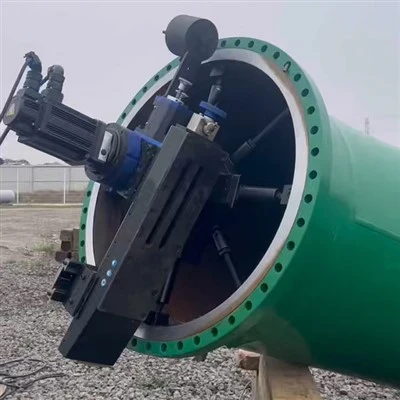
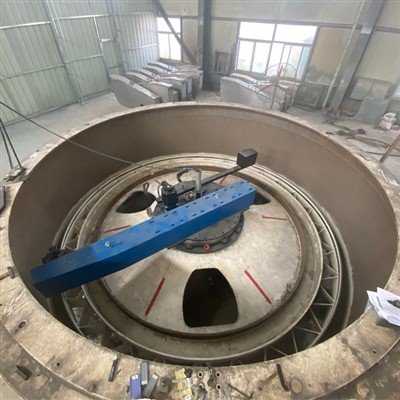
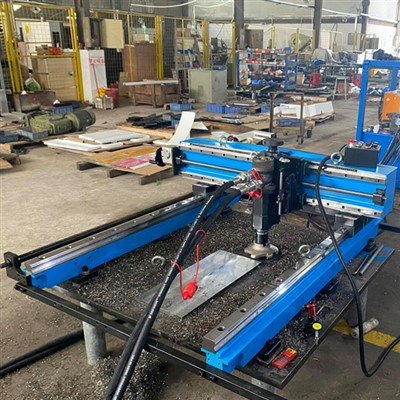
In fields such as heavy machinery repair, precision machining, and mining equipment maintenance, integrated boring and welding machines are fast becoming a staple tool for many skilled technicians. By combining both boring and welding capabilities into a single unit, this equipment eliminates the need for frequent machine swaps or the cumbersome relocation of workpieces. This not only boosts operational efficiency but also ensures greater stability and precision in machining results. Many newcomers to the field often ask: What exactly makes this equipment so good? What specific jobs is it best suited for? And what precautions should be taken during operation? Today, we will answer these questions in plain language to help you make the right choice, utilize the equipment effectively, and avoid common pitfalls.
The standout feature of the integrated boring and welding machine is its dual-function capability within a single unit. In traditional repair scenarios-where issues such as worn shaft bores, deformed pin holes, or loose bearing seats arise-the process typically involves initial weld-repair, followed by disassembling the component and transporting it to a boring mill for machining. This multi-step process is time-consuming, and the repeated handling and transportation of workpieces can easily compromise machining accuracy. With an integrated boring and welding machine, however, both the weld-repair and boring operations can be completed directly on-site or at the workstation. This streamlines the workflow, ensures superior dimensional consistency, and is particularly advantageous for large workpieces or structural components that are difficult to move.
In terms of application scenarios, the machine offers a remarkably broad scope of utility. It is ideal for repairing worn articulation joints and pin bores on equipment such as excavators, loaders, and cranes; for machining and weld-repairing flange faces and internal bores; for performing urgent on-site repairs on large components of mining or agricultural machinery; and for the batch processing of boreholes on small to medium-sized workpieces. Portable models can even be transported directly to construction sites or underground mining operations, eliminating the need to haul large components back to a central workshop. This drastically reduces downtime-a critical advantage for engineering teams whose livelihoods depend on meeting strict project deadlines.
The advantages of the integrated boring and welding machine regarding efficiency and cost-effectiveness are equally compelling. Purchasing a single unit allows you to accomplish the work of two separate machines, thereby saving both floor space and capital investment. The operational learning curve is moderate; with just some basic training, operators can quickly get up to speed without needing to rely exclusively on highly specialized, top-tier technicians. Furthermore, the machining process is seamless and continuous, minimizing setup times and idle periods, which allows for a higher volume of workpieces to be completed within a given timeframe. Over the long term, this translates into significant reductions in labor, time, and transportation costs-offering exceptional value for money for small to medium-sized machining workshops and repair facilities.
During operation, keeping a few key points in mind will help ensure the longevity of the equipment and the stability of your machining results. Workpiece clamping must be secure; this is particularly critical during boring operations, as any workpiece instability will compromise both roundness and coaxiality. Select cutting tools and machining parameters appropriate for the specific material being processed, and ensure a steady feed rate to prevent rapid tool engagement-which can lead to premature tool wear or surface chatter marks on the workpiece. When welding, carefully adjust the current, voltage, and wire feed speed to ensure adequate penetration depth and a uniform weld bead, thereby minimizing porosity and cracking. Prior to commencing operations, perform a dry run (no-load test) to verify that the spindle, guide rails, and welding torch are functioning correctly; address any anomalies immediately before beginning work.
Routine maintenance must not be overlooked. Promptly clear away metal chips and welding slag to prevent debris from entering the guide rails and transmission components. Apply lubricating oil as specified to ensure the smooth operation of all drive mechanisms. Inspect cables, air hoses, and connectors for signs of damage or aging, and replace any defective parts immediately upon discovery. When the equipment is to remain idle for an extended period, implement appropriate dust-proofing and rust-prevention measures, and ensure the storage environment remains dry. Simple, consistent maintenance practices can significantly extend the equipment's service life, minimize downtime caused by malfunctions, and ensure the machine remains in optimal working condition.
Pay particular attention to the following key factors: Verify that the boring diameter and depth ranges align with the dimensions of your typical workpieces. Assess the rigidity of the machine body and the precision of the spindle, as these factors directly determine the quality of the machining output. Choose a control method-whether manual or CNC-that best suits the complexity of your specific machining processes. Additionally, consider factors such as portability, available welding modes, and the interchangeability of spare parts. Prioritize brands with a proven track record of reliability and responsive after-sales support, as this will facilitate easier procurement of consumables and more convenient maintenance in the long run.